Indianapolis meeting identifies practical opportunities for shared ministry and mission
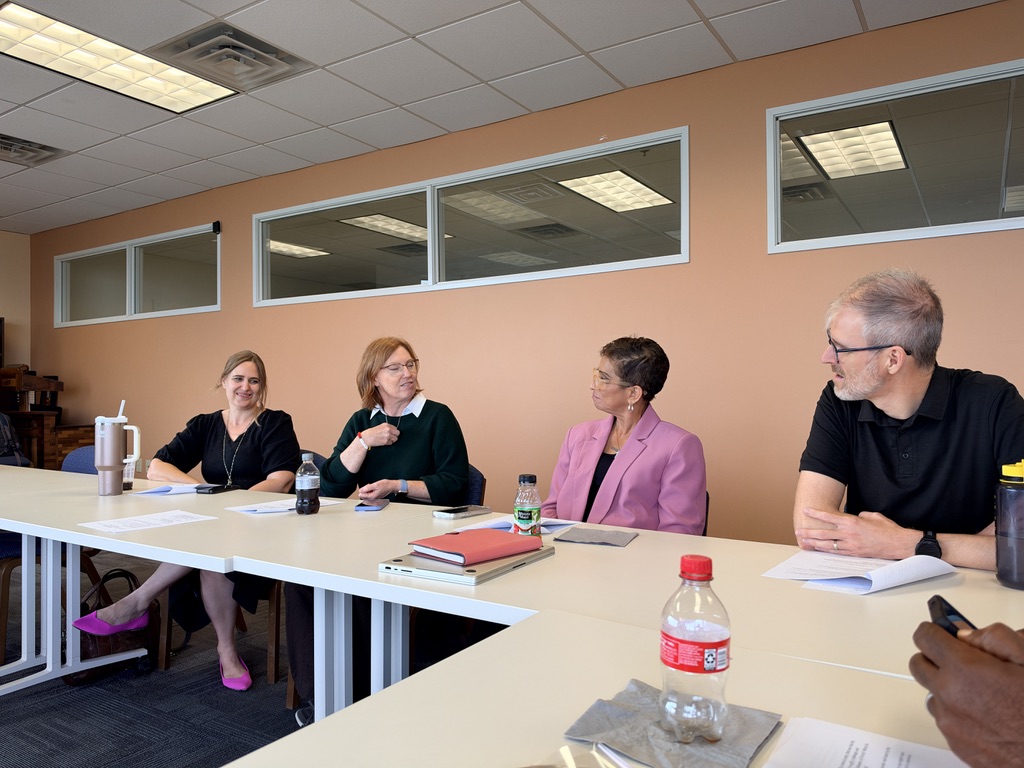
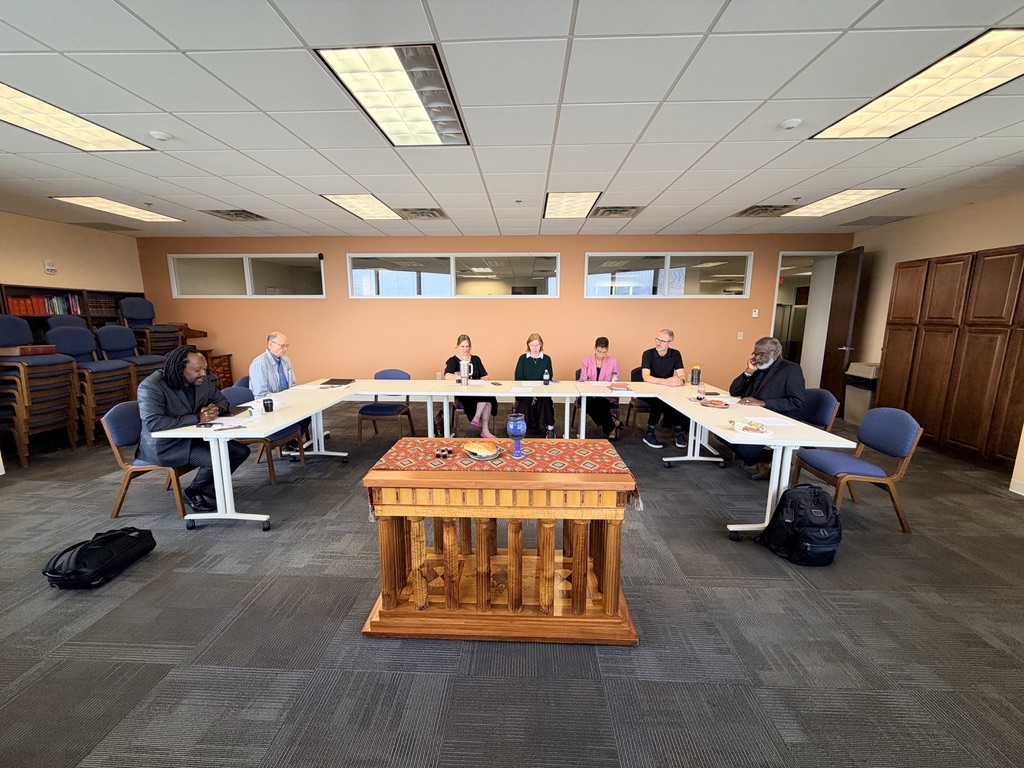
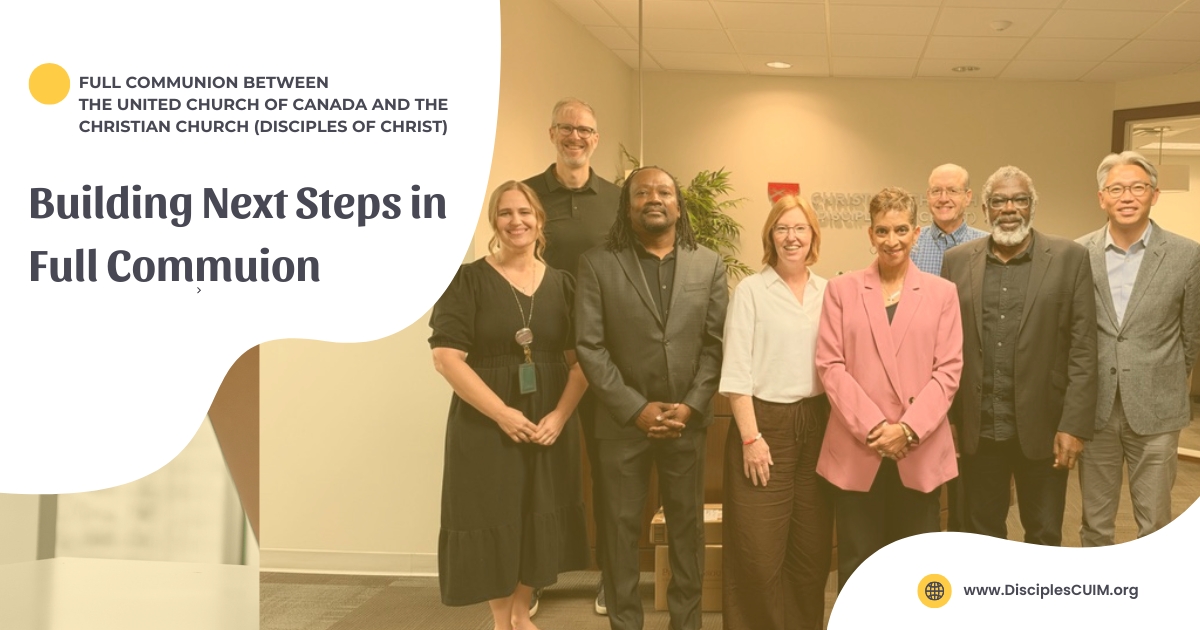
INDIANAPOLIS — Leaders of the Christian Church (Disciples of Christ) in the United States and Canada and The United Church of Canada gathered September 30–October 1, 2026, at the Disciples Center in Indianapolis. The two-day meeting renewed relationships, reviewed how the churches’ full communion partnership has developed, and identified practical ways to strengthen their common ministry and witness.
The churches entered full communion in 2019, committing themselves to mutual recognition of members and ministers, shared celebration of the Lord’s Supper, and greater cooperation in mission. This was the second bilateral partnership meeting since that agreement was established.
Participants emphasized that full communion must become visible in the lives of congregations, ministers, and ministry networks. It should be expressed through relationships and shared work, as well as through agreements between denominational leaders.
Signs of a Growing Partnership
Participants identified four ways the partnership is already taking practical form.
The mutual recognition of ministry allows ministers from each church to be considered for service in the other. Three Disciples ministers are currently serving in United Church contexts in Canada, and additional ministers have expressed interest in exploring this possibility.
The relationship has also deepened connections among the leaders and gatherings of the two churches, including the relationship between The United Church of Canada and the Christian Church (Disciples of Christ) in Canada.
The churches have collaborated in advocacy and public witness by sharing resources and supporting statements concerning peace, justice, Israel-Palestine, and the Korean Peninsula. They also encounter one another through the World Council of Churches, the World Communion of Reformed Churches, and relationships with common global partners.
Shared Challenges and Opportunities
The two churches face many similar realities. Participants discussed declining membership, aging congregations, financial and property pressures, fewer full-time pastoral positions, changes in theological education, immigration restrictions, political polarization, and the continuing need to address racism and colonialism.
They also heard signs of renewal through lay-led congregations, migrant and diaspora communities, new approaches to leadership formation, collaborative ministry, global partnerships, and public advocacy.
Several areas emerged for further collaboration:
- Leadership formation and theological education, including supervised ministry, lay formation, online learning, chaplaincy, and alternative pathways into ministry
- Rural and small-town ministry, including part-time, bivocational, collaborative, and lay-led models
- Ministerial exchange, with clearer procedures for recognition, placement, immigration, and accountability
- Migrant, diaspora, intercultural, and multilingual ministries
- Indigenous justice, racial justice, climate justice, and shared public advocacy
- Global mission, partner-led relationships, and opportunities for theological students to participate in global immersion programs
- Relationships among congregations, particularly those near the Canada–United States border
- Shared use of online platforms for leadership development, mission, and advocacy
Participants also explored possible connections between United Church ministries and Disciples programs such as the Disciples Mission Hub, Disciples Advocate, the Disciples Leadership Network, Green Chalice, and the Global Theological Fellows Program.
These possibilities were identified for further exploration and have not yet been adopted as formal joint projects.
Moving from Conversation to Collaboration
Participants agreed that the partnership needs intentional coordination between formal meetings. The churches will develop a small planning group to review the Indianapolis gathering, identify shared priorities, and recommend how the partnership can be strengthened.
Each church will identify staff and ministry leaders working in similar areas and create opportunities for direct conversation. These exchanges can support mutual learning, reveal where joint projects may be possible, and ensure that important developments are shared with the wider partnership group.
Future partnership meetings may focus more deeply on selected areas of common concern rather than relying primarily on broad institutional reports. The planning process will help determine the focus of each meeting and identify the people whose experience and responsibilities are most relevant to the conversation.
The Canada Region of the Christian Church (Disciples of Christ) will remain part of the planning, reflecting the binational identity of the Disciples. The churches will also continue to consider how their bilateral partnership relates to their shared full communion relationships with the United Church of Christ.
Participants
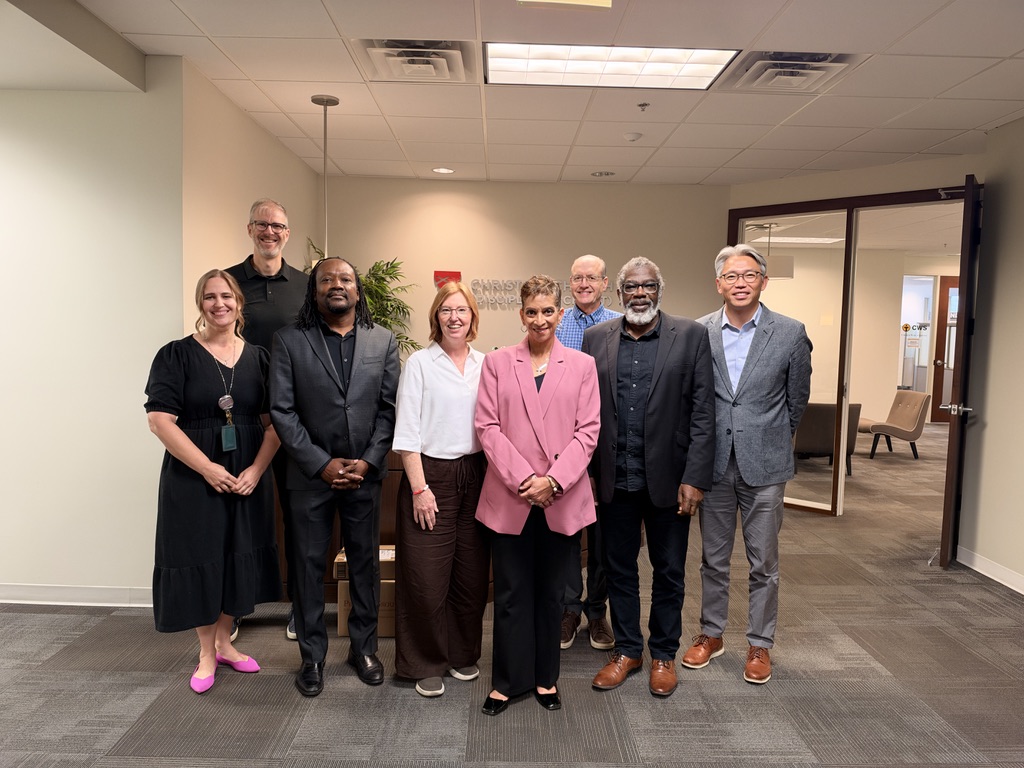
The United Church of Canada was represented by the Right Rev. Kimberly Heath, Moderator; Rev. Dr. Michael Blair, General Secretary; Rev. Adam Hanley of the Office of Vocation; and Rev. Peter Hartmans, Executive Minister for Identity and Governance. Rev. Emo Yango, Migrant and Intercultural Growth Coordinator, and Rev. Christine Neufeld, Co-Team Lead of the Global Partnership Program, participated by Zoom.
Disciples participants included Rev. Terri Hord Owens, General Minister and President; Rev. Chris Dorsey, President of the Disciples Home Missions; Krista Johnson Weicksel, Chief Administrative Officer of the Disciples Overseas Ministries; and Rev. Paul S. Tché, President of the Christian Unity and Interfaith Ministry. Rev. Jean-Daniel Ó Donncada, National Pastor and Regional Minister for the Christian Church (Disciples of Christ) in Canada, joined by Zoom.
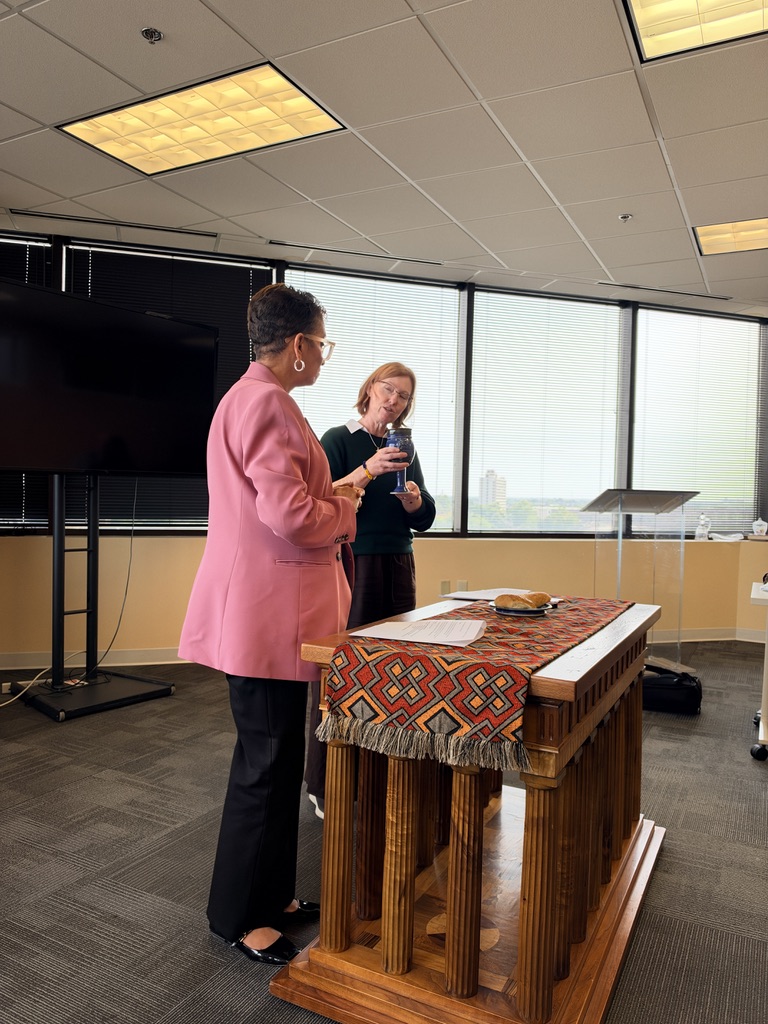
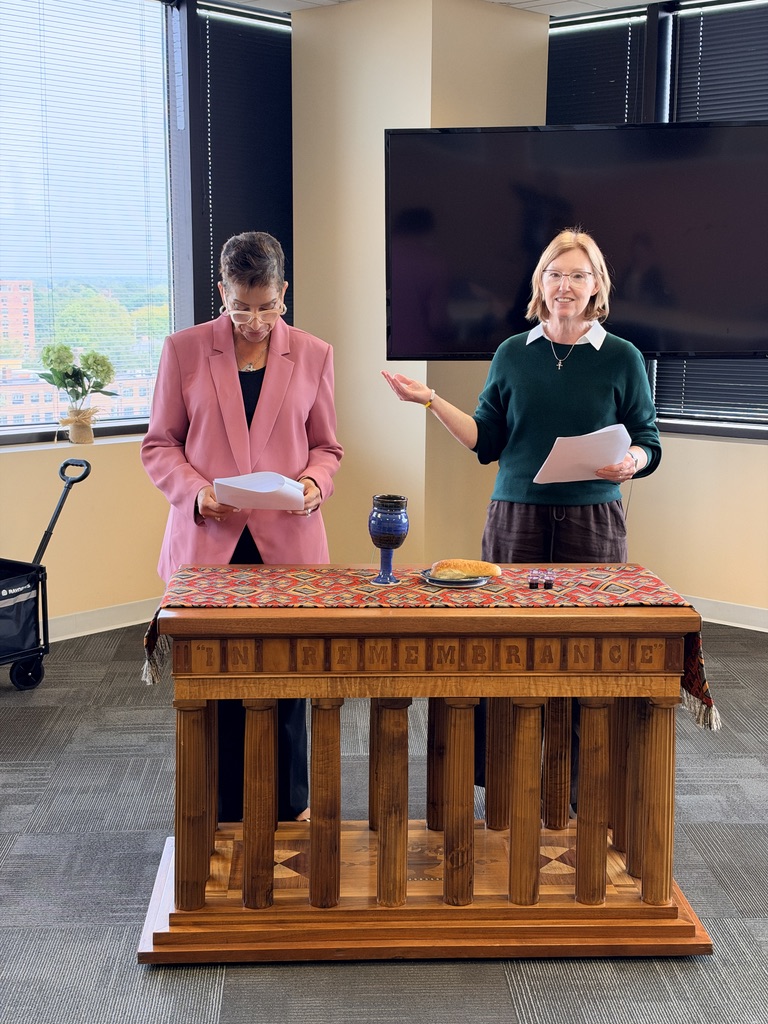
The meeting concluded with prayer, gratitude for renewed relationships, and the celebration of communion. The United Church of Canada is expected to host the next partnership meeting, tentatively scheduled for October 2027.