By the Rev. Paul S. Tché, President of Christian Unity and Interfaith Ministry
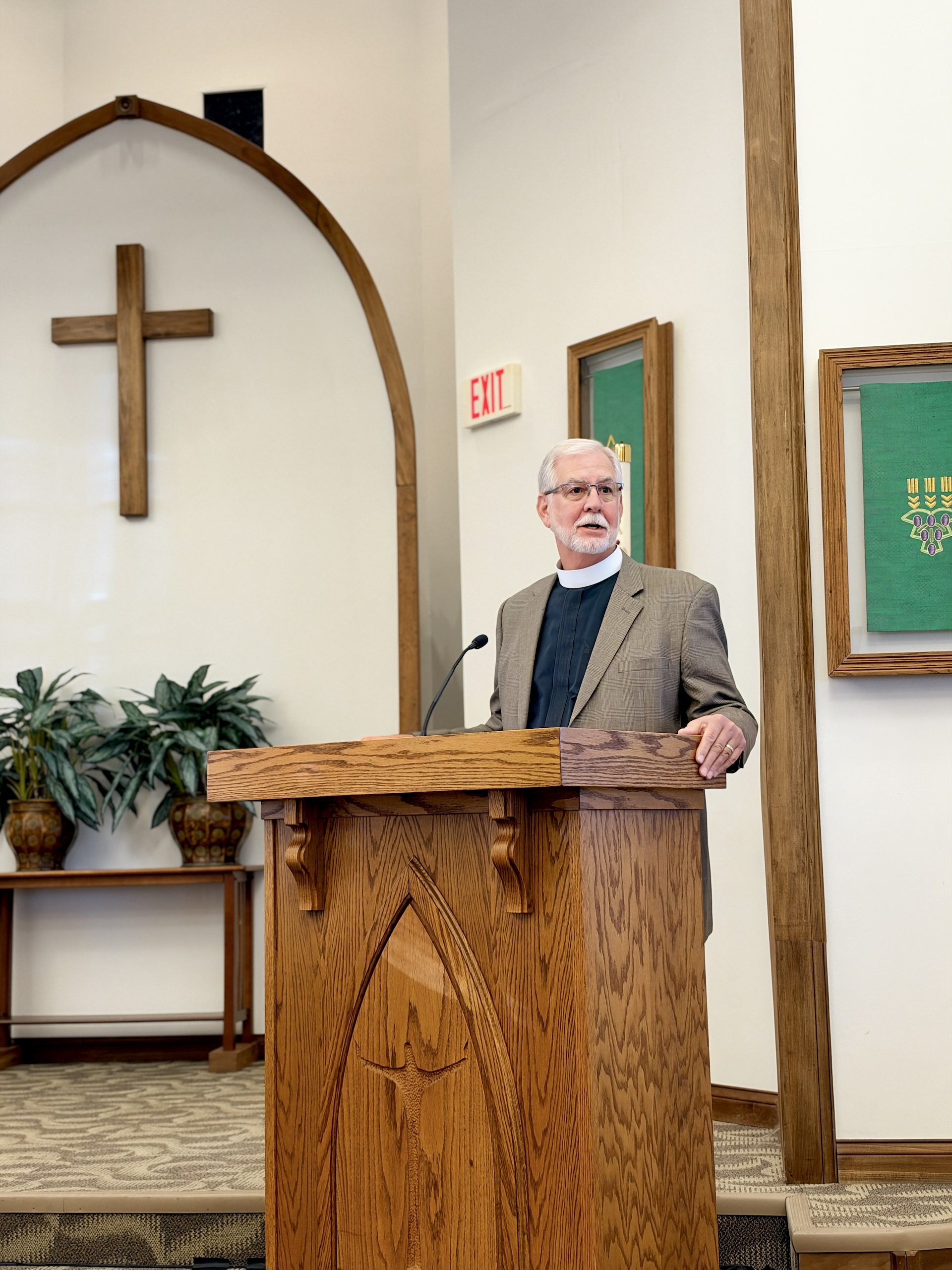
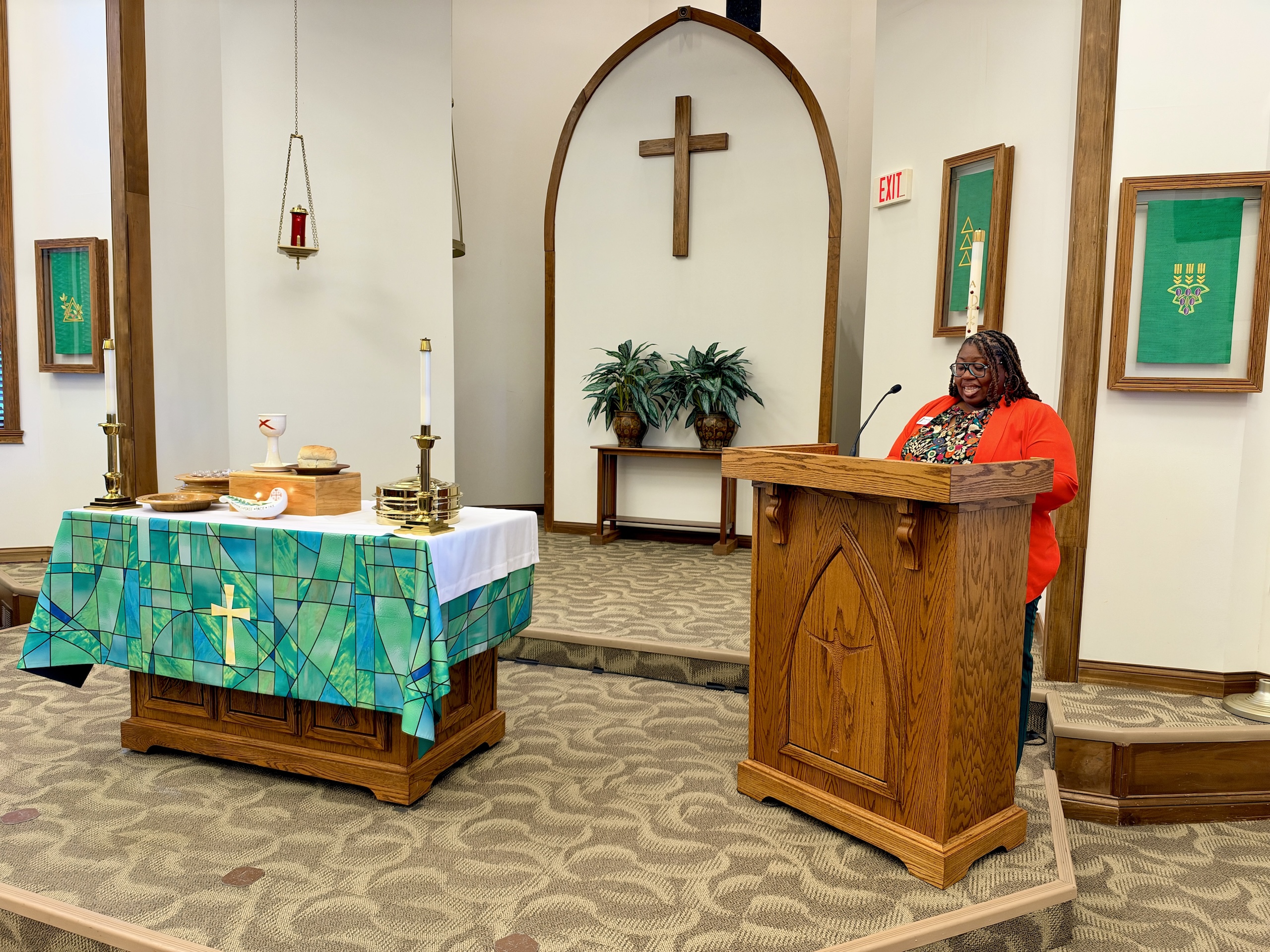
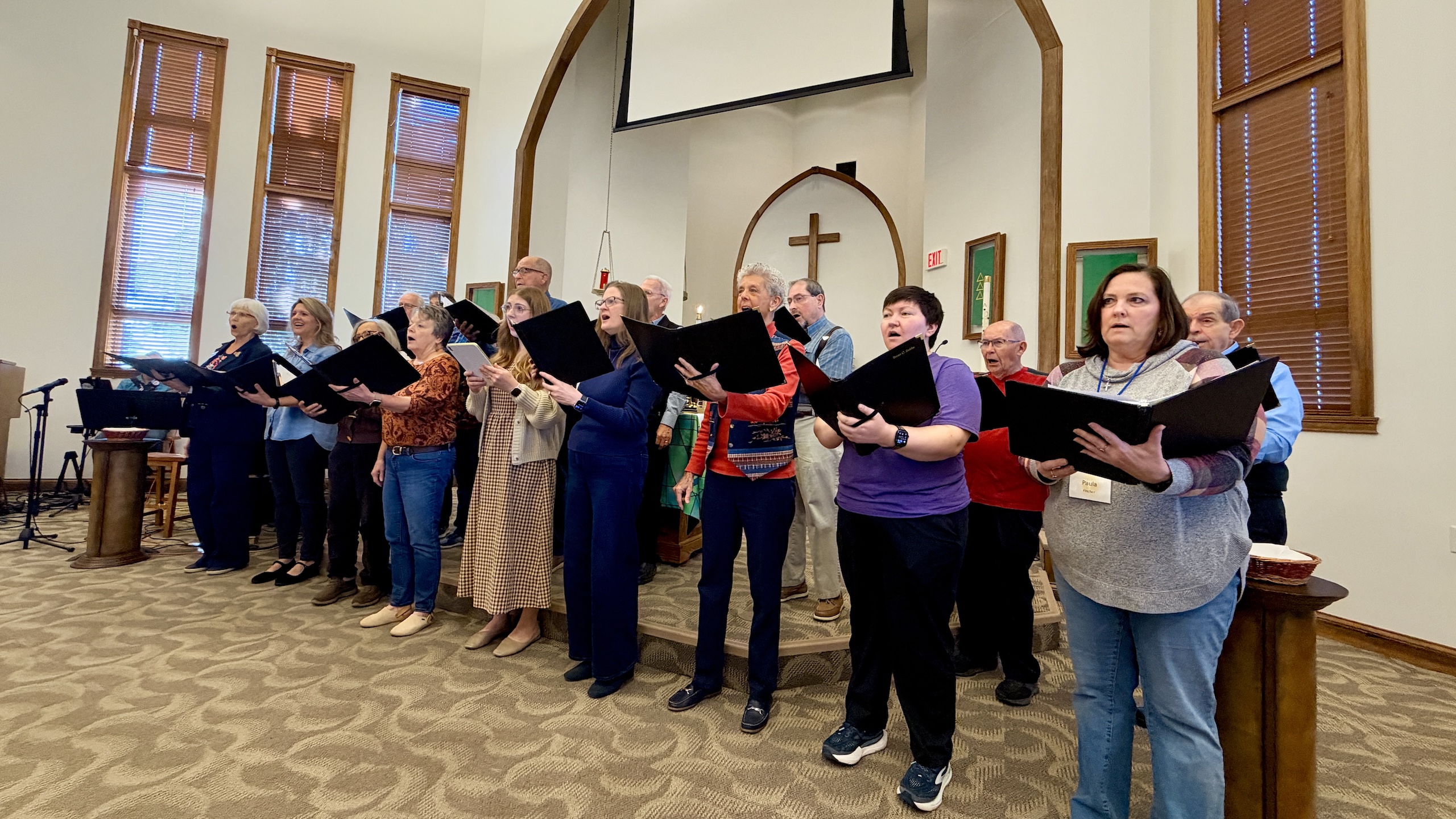
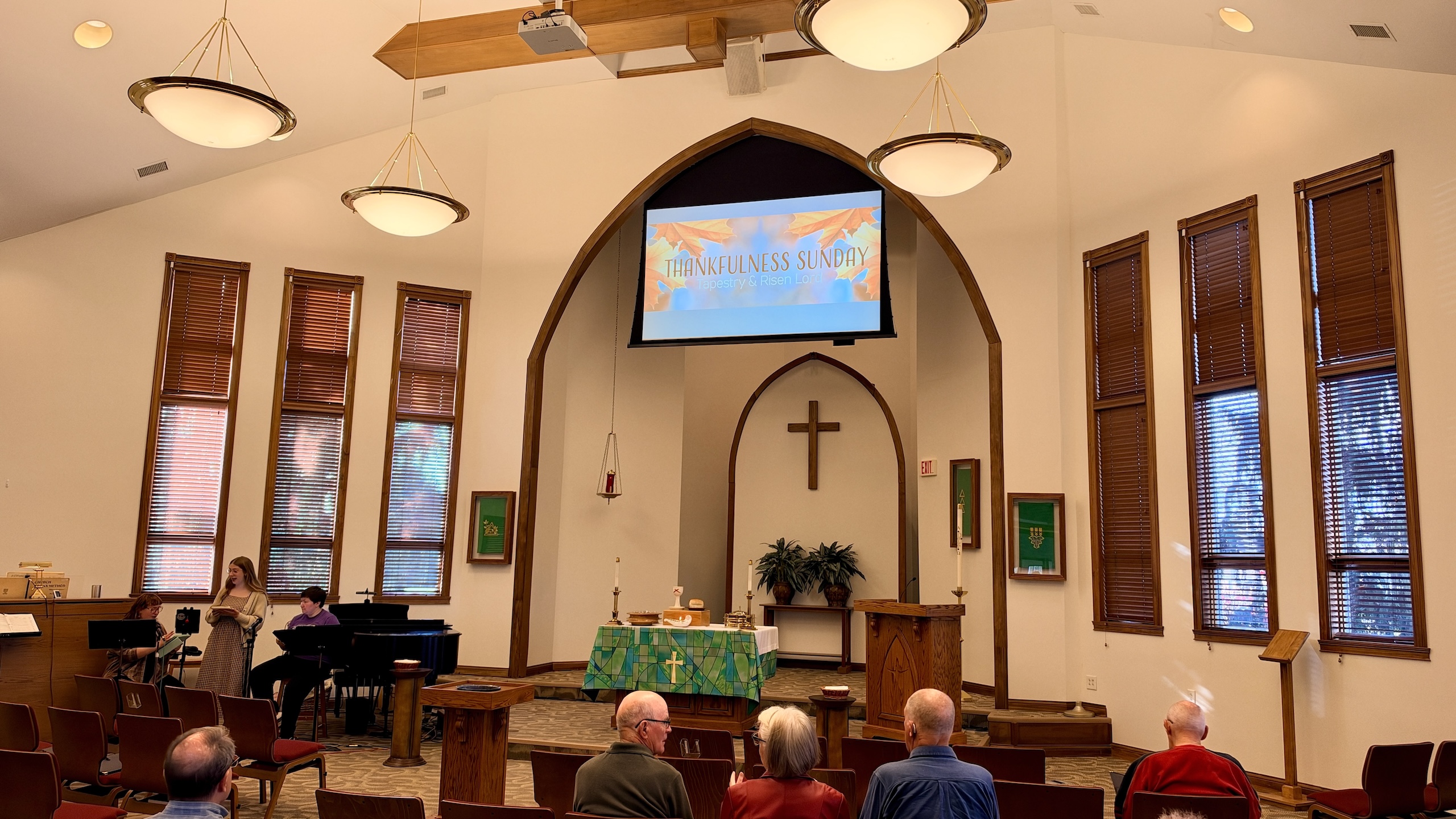
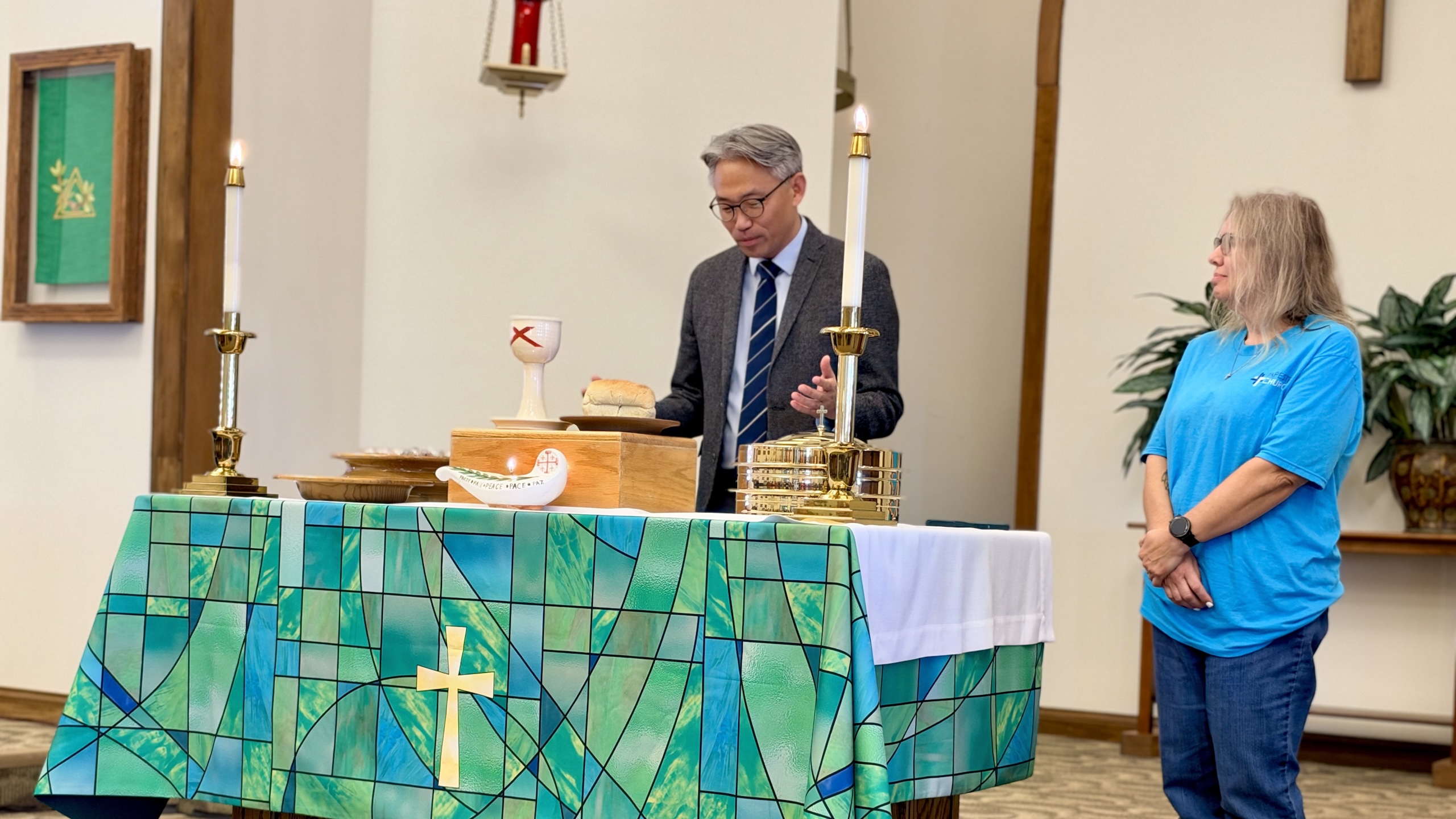
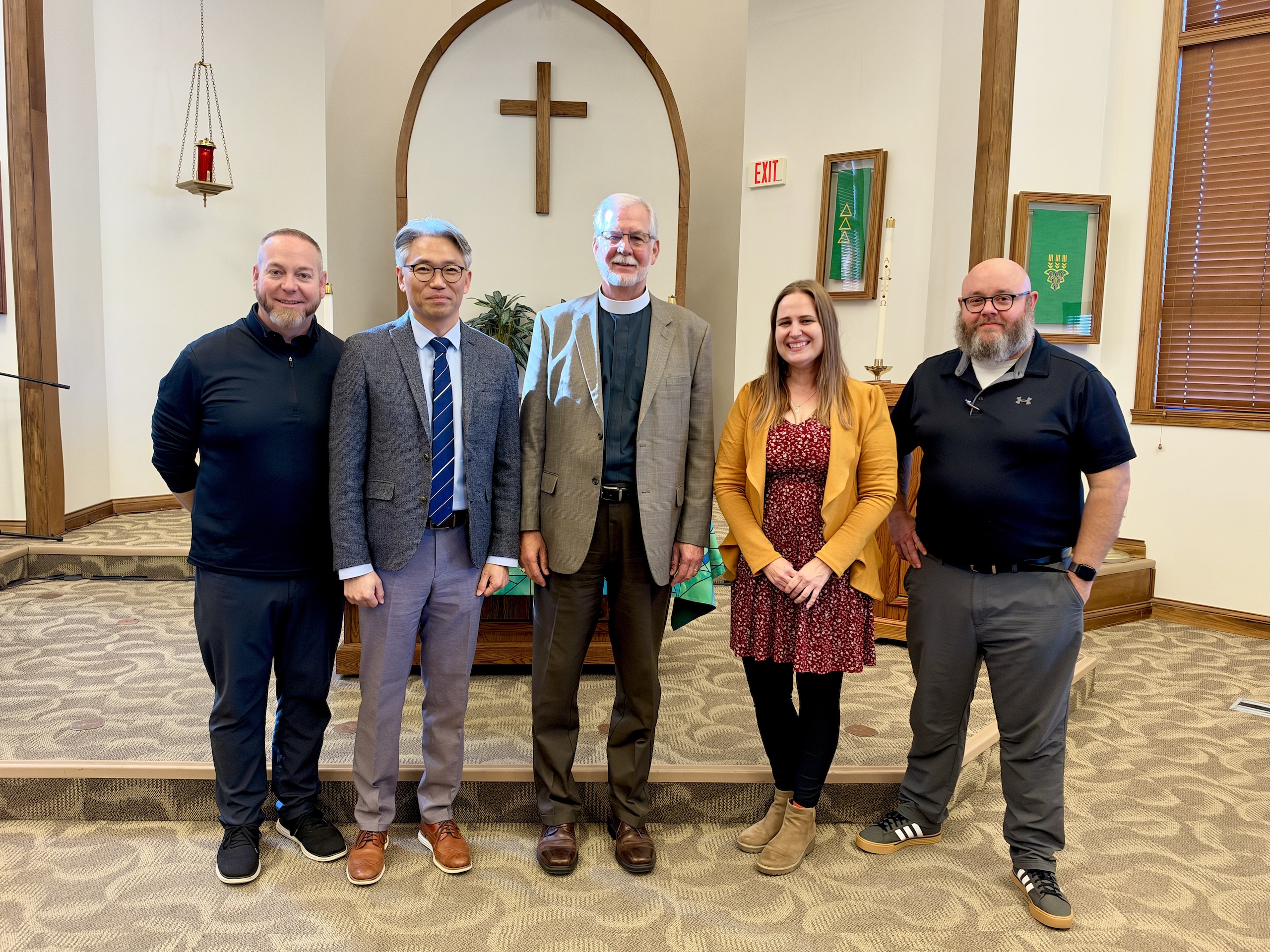
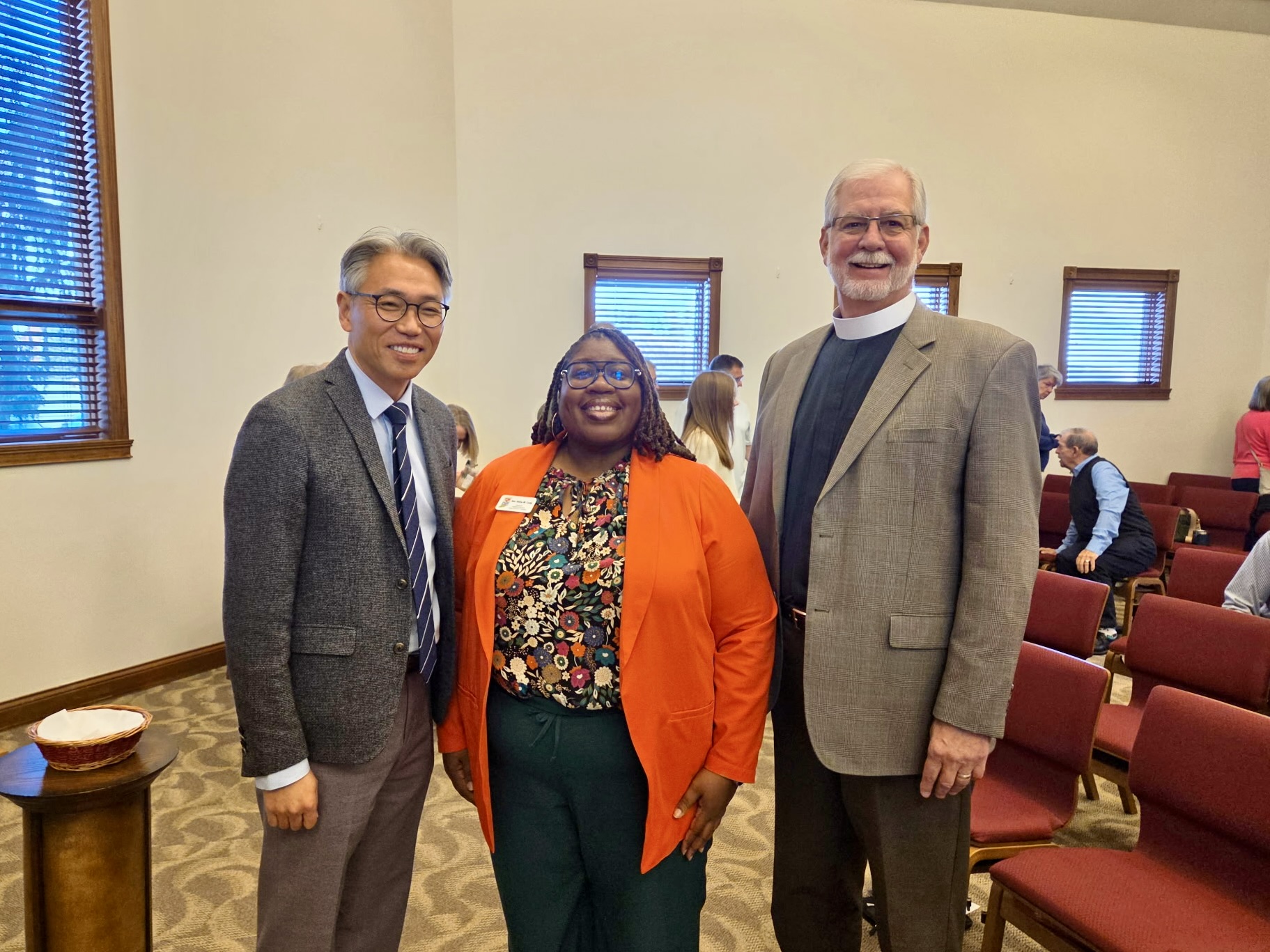
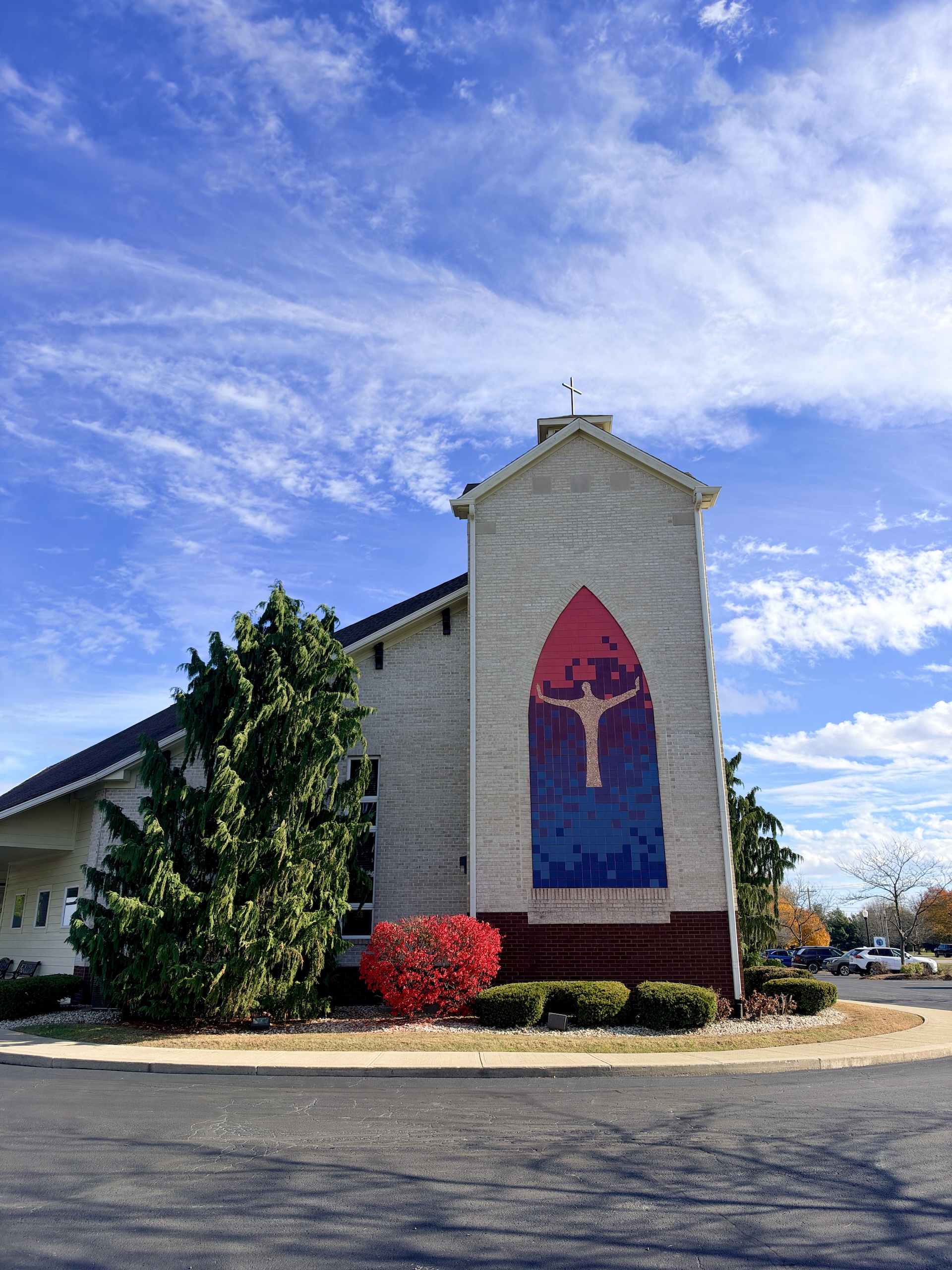
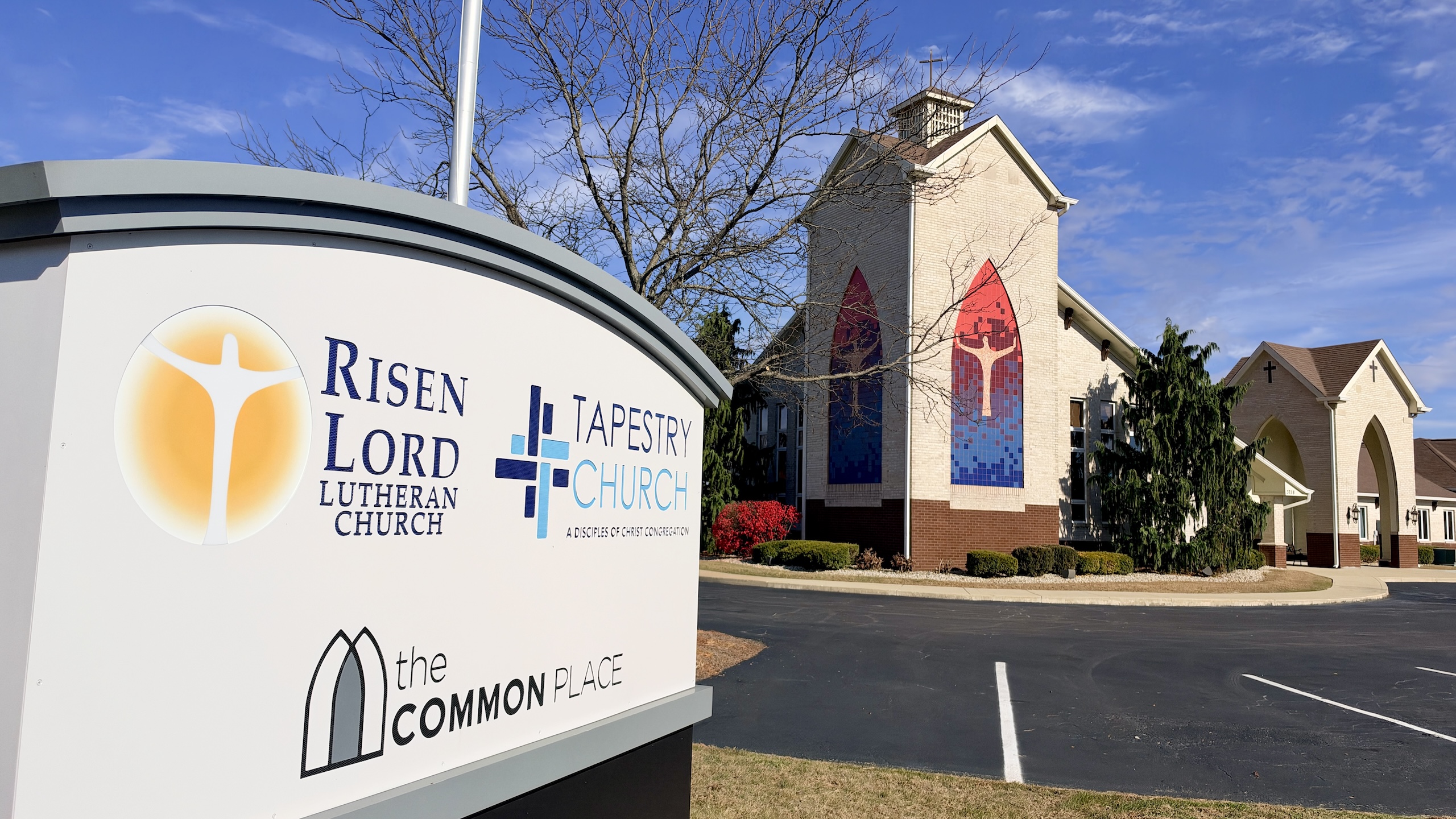
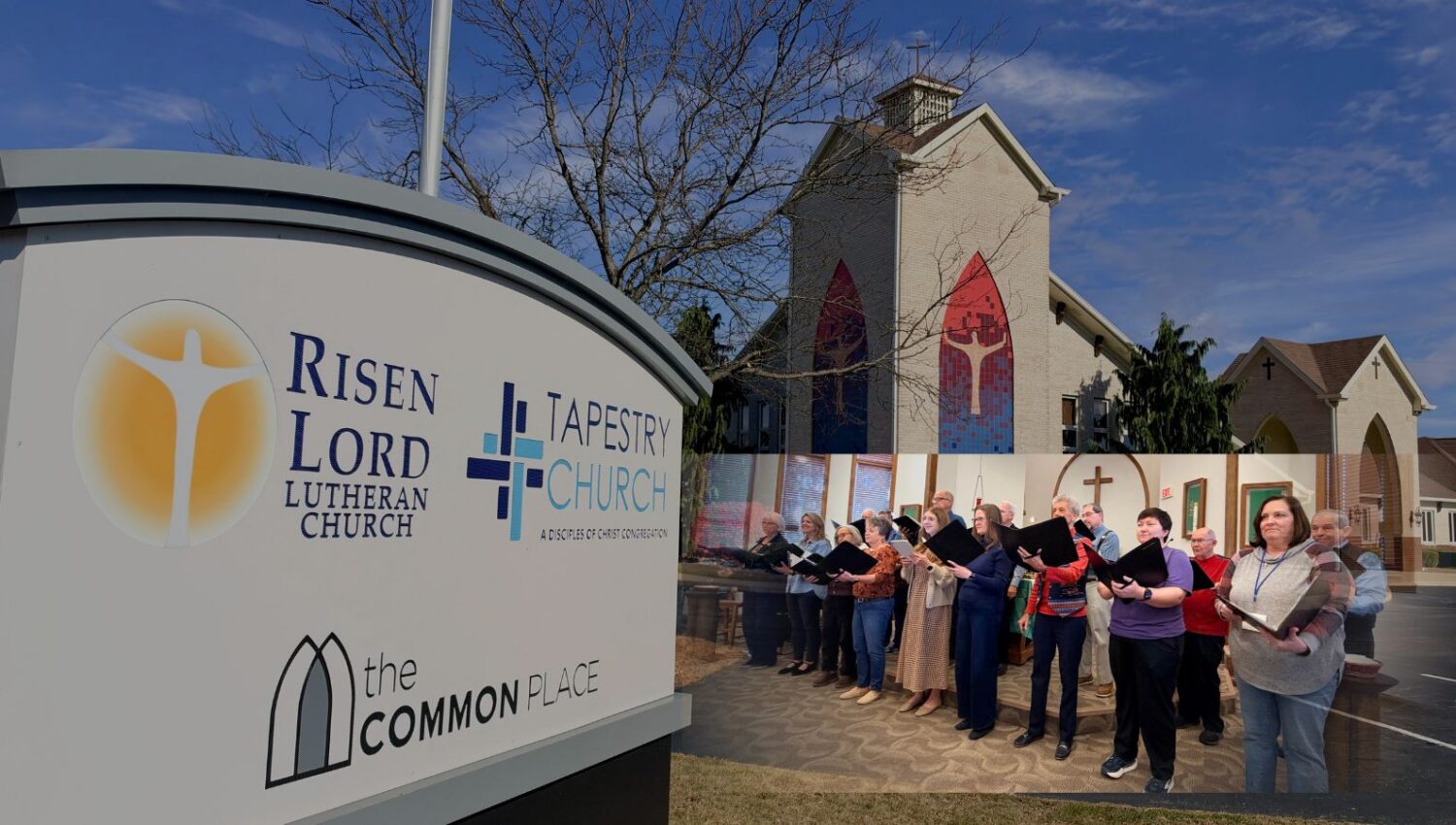
On November 22, I joined two congregations in Bargersville, Indiana, to give thanks for the life they share. Tapestry Church, a Disciples of Christ congregation, and Risen Lord Lutheran Church, a congregation of the Evangelical Lutheran Church in America (ELCA), share a campus they call The Common Place. Once a year they worship together, taking turns leading the service in their respective traditions. This year, Tapestry led worship and welcomed Risen Lord. The Rev. Anita Cobb, Associate Regional Minister for the Christian Church (Disciples of Christ) in Indiana, led the call to worship. Bishop Bill Gafkjen, bishop emeritus of the ELCA’s Indiana-Kentucky Synod and Lutheran co-chair of our national dialogue, led the pastoral prayer, and I presided at the Lord’s Table.
As I looked out at both congregations from the Table, I was moved by what we were about to do. In receiving the bread and cup, we receive one another as sisters and brothers in Christ. This is what I mean by a sacramental vision of Christian unity. The unity Christ gives us is something we can see and touch, and the welcome we receive at the Table is ours to carry into the neighborhood.
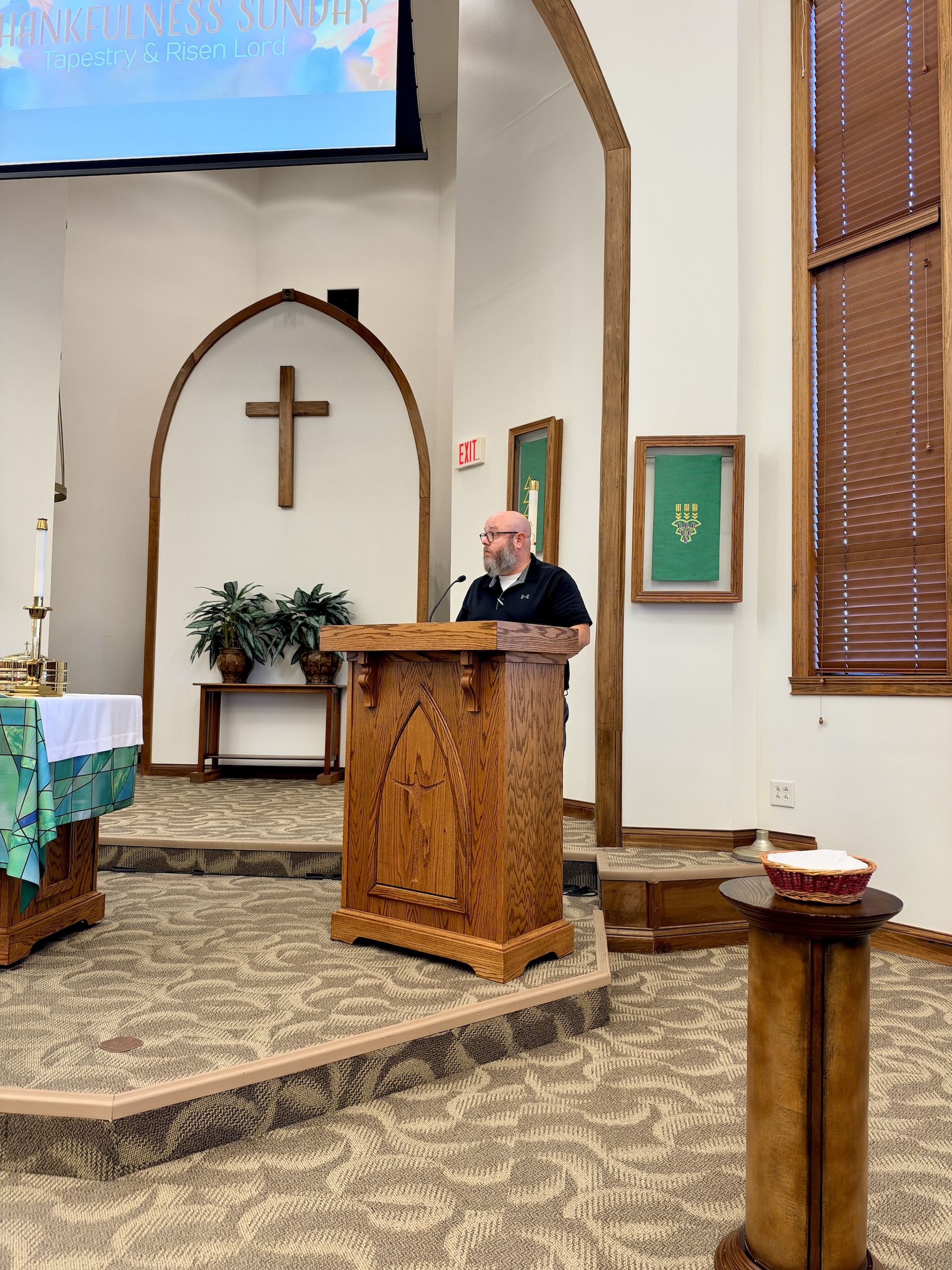
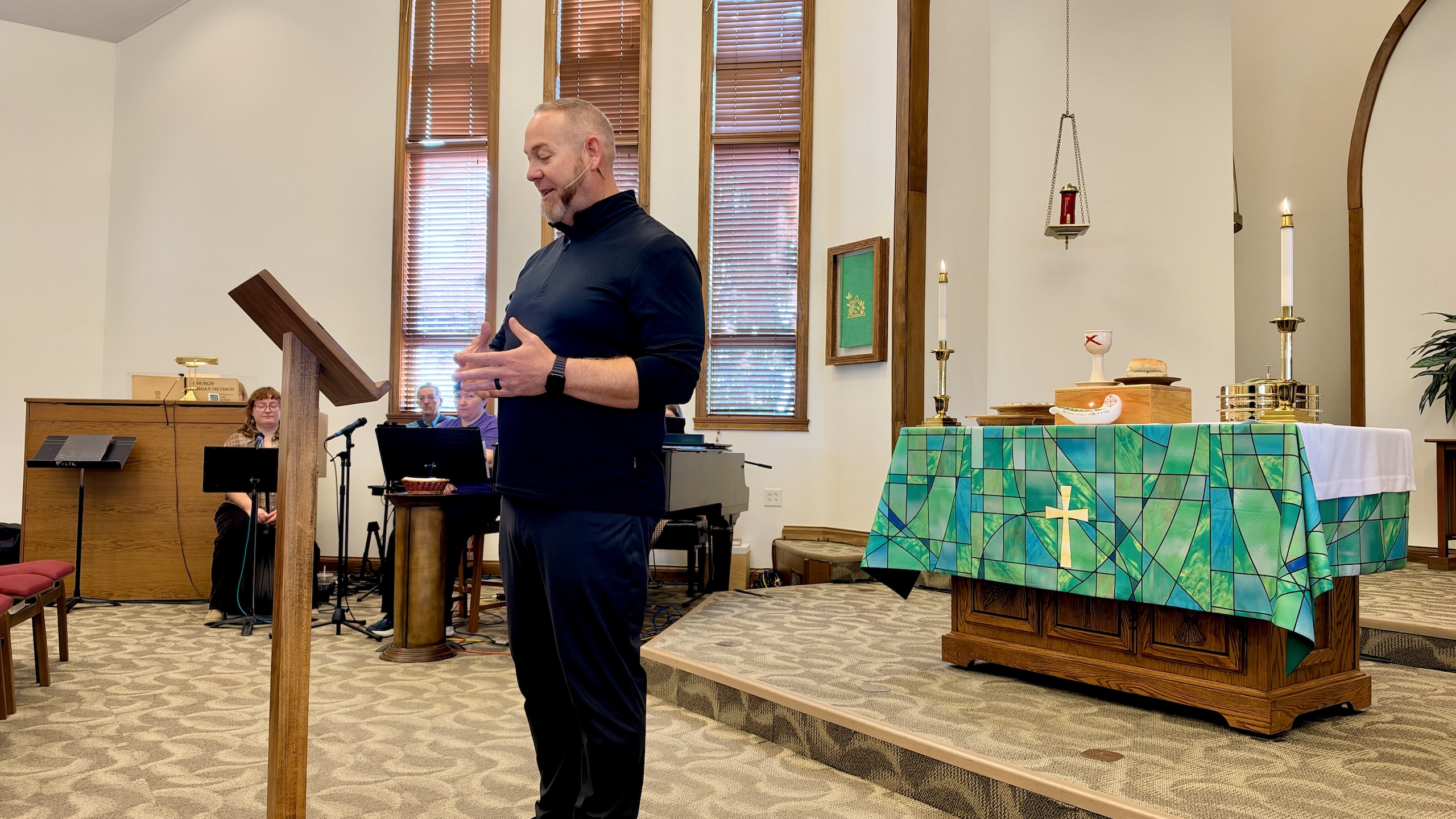
In his sermon, the Rev. Cory Glover spoke about choosing one another in “ordinary time.” Tapestry first held a Christmas Eve service on the campus in 2021. By 2025, the two congregations jointly owned the property. I keep thinking about the details Cory offered, from moving chairs and gathering for Tuesday Bible study to collecting food for neighbors. These are some of the ways the congregations keep choosing one another from week to week.
What the Dialogue Is Changing in Us
After worship, Bill and I talked with members about the national Lutheran–Disciples dialogue. As our churches prepare to explore what full communion could mean, I keep returning to what Bill shared in the Q&A. Through this dialogue, we have been changed. We have been transformed by listening deeply to one another. We understand our own traditions differently, and we can see possibilities for responding to God’s call together that we might have missed on our own.
I have felt that change in our conversations about creeds and confessions. Listening to our Lutheran partners has helped me find a more faithful way to speak about Disciples as a confessing church. We confess Jesus Christ, and each generation has the responsibility to give voice to that faith in its own time and place. Their questions helped me hear something in my own tradition more clearly. When someone asked what he hoped would ultimately come of the dialogue, Bill spoke about a more united Christian witness in the world, especially alongside people who are too often overlooked. I share that hope. It gives us a way to ask what a closer relationship between our churches could make possible.
New Ways to Be Church in Our Communities
I said during the conversation that what is happening in Bargersville matters well beyond Indiana. A smaller share of people in the United States and Canada identify as Christian than a generation ago. In many communities, especially in small towns, congregations are asking how they can remain a faithful presence with fewer people and resources. Many already study Scripture and serve their neighbors together. The Common Place raises a further question for those relationships. As trust grows, what responsibilities for the life and ministry of our congregations might we be ready to share?
That question took a practical turn at the annual meeting after worship. Members discussed how to handle repairs and heard about proposed changes to the agreement that governs their shared property. The two congregations have a joint board for The Common Place, and each has a say in changes to the agreement. Those details gave me another way to hear Cory’s sermon about “ordinary time.” Choosing one another also means working out who can make a decision when something breaks.
That experience gives the national Lutheran–Disciples dialogue a question of its own. How can our churches support congregations that want to take on more together while honoring the commitments of both traditions? The answer will depend on the community and the churches involved. What Tapestry and Risen Lord offer the wider ecumenical movement is a concrete example of two congregations learning, over time, how to make decisions together and sustain a shared presence in their community.
To learn more about The Common Place, reach out to the Rev. Cory Glover through Tapestry Church, or contact me through Disciples CUIM.
Learn more through Tapestry Church
Contact Paul Tché through Disciples CUIM